
What species of fish do you provide for stocking?
We offer a wide variety of species tailored to South Carolina waters, including:
- Vegetation Control: Triploid Grass Carp and Blue Tilapia.
- Gamefish: Largemouth Bass, Bluegill, Redear (Shellcracker), and Channel Catfish.
- Forage/Baitfish: Golden Shiners
- Mosquito Larvae Control: Mosquito fish (Gambusia)
Why use Tilapia and Grass Carp for pond management?
Blue Tilapia are excellent for controlling filamentous algae. Tilapia also provide a side benefit of producing thousands of small tilapia which become great winter-time forage for largemouth bass. A major benefit of choosing Hickory Hill is that our Tilapia are raised locally in our Moncks Corner hatchery and are acclimated to our area and not stressed by long-distance interstate transport. Grass Carp provide excellent control of rooted aquatic vegetation. In most cases, grass carp are a much more cost-effective approach to controlling aquatic weeds when compared to on-going herbicide applications.
Do I need a permit to stock fish?
Certain species, like Grass Carp and Tilapia, require specific licensing. As a Licensed Aquaculturist with the SCDNR, we handle the necessary protocols and ensure that all stocking is done in full compliance with state regulations.
How many fish do I need for my pond?
There is no "one size fits all" answer. We provide professional consultations to determine the appropriate species composition and stocking rates based on your pond’s size, existing population, and your personal goals (e.g., trophy bass fishing vs. simple weed control).
Who do you typically work with?
We provide services for:
- Private pond and lake owners.
- HOA community ponds.
- Pond management companies and consultants.
- Plantation managers and government agencies.
Species & Benefits
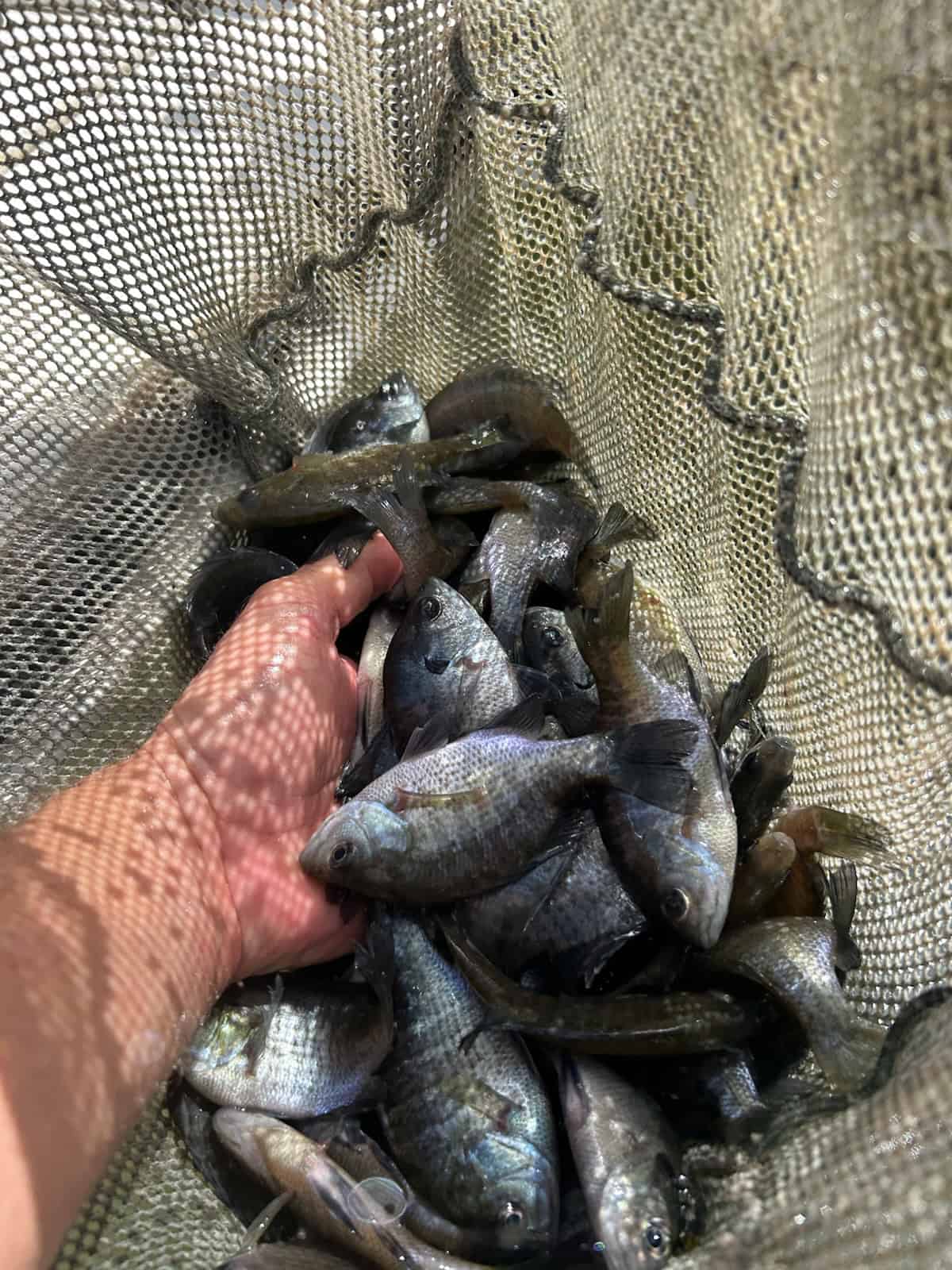
Bluegill Sunfish (bream)
Bluegill sunfish (bream) are stocked in ponds to provide angling opportunities and to supply forage for largemouth bass. Typical stocking rates are 500-1000 fish per acre. Bluegill can be fed a pelleted fish food to enhance growth and productivity of pond.
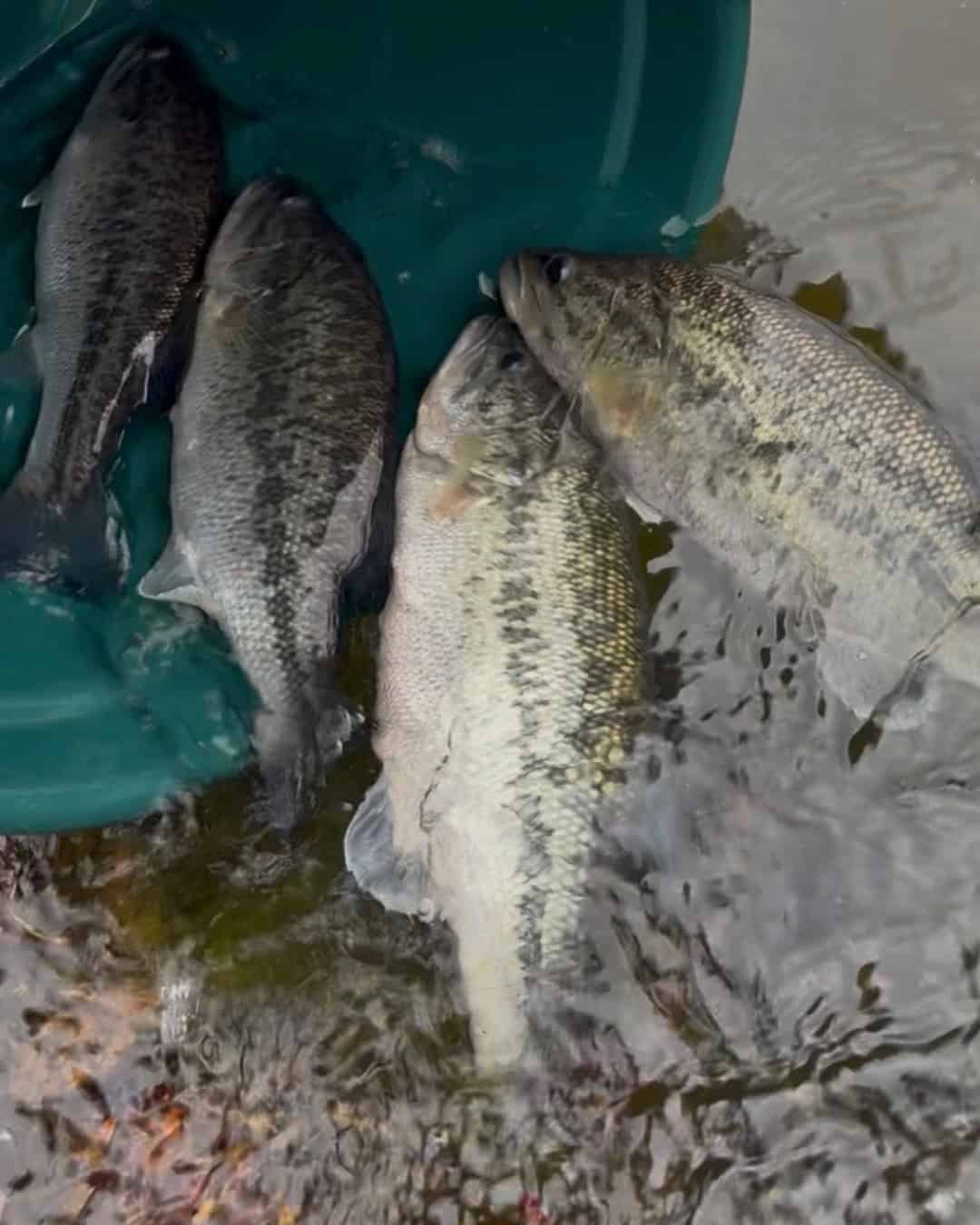
Largemouth Bass
Largemouth bass occupy the predator niche in a pond environment. Stocked at rates of 50-100 fish per acre and normally released after bluegill have become established in a pond.
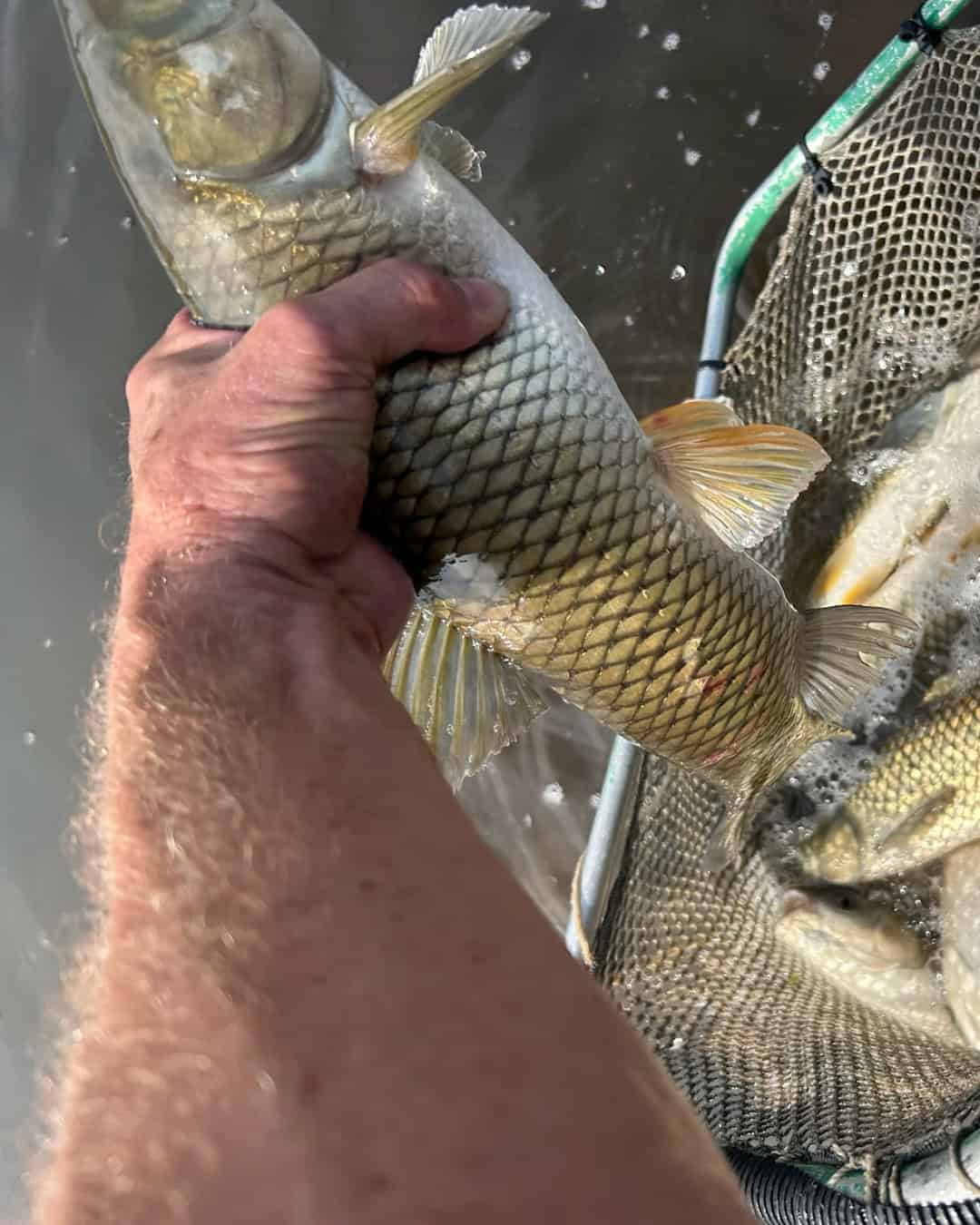
Grass Carp
Grass carp are released in lakes and ponds to control rooted aquatic weeds. We recommend stocking 12” minimum-sized grass carp stocked at rates of 10-20 per acre. Smaller carp are much more vulnerable to predation from largemouth bass and other predators encountered in a pond environment.
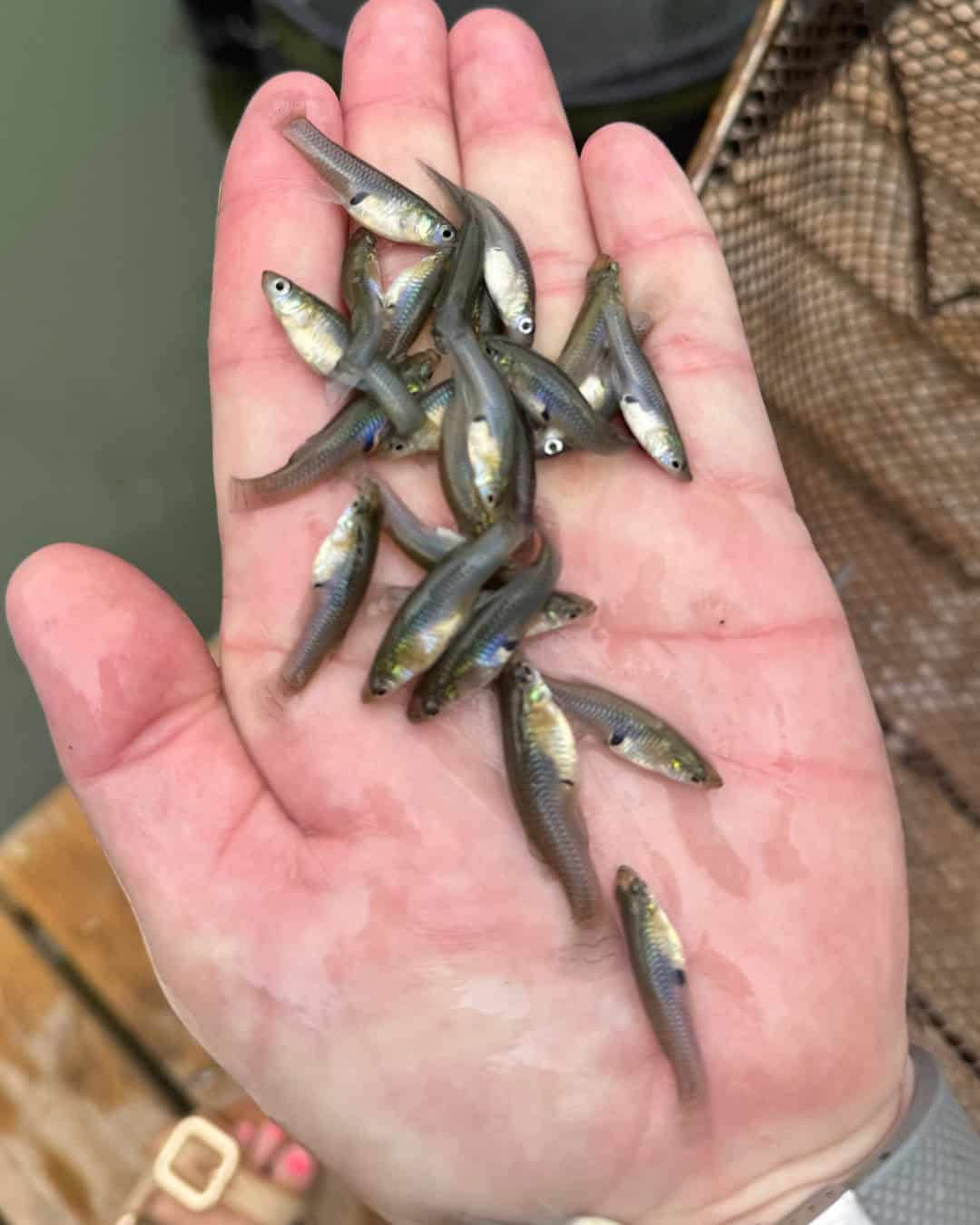
Gambusia (mosquito fish)
Gambusia (mosquito fish) feed on mosquito larvae and other aquatic insects. These fish are live-bearers and reach a maximum size around 2 inches. Stocking rates are normally around 200 per acre.
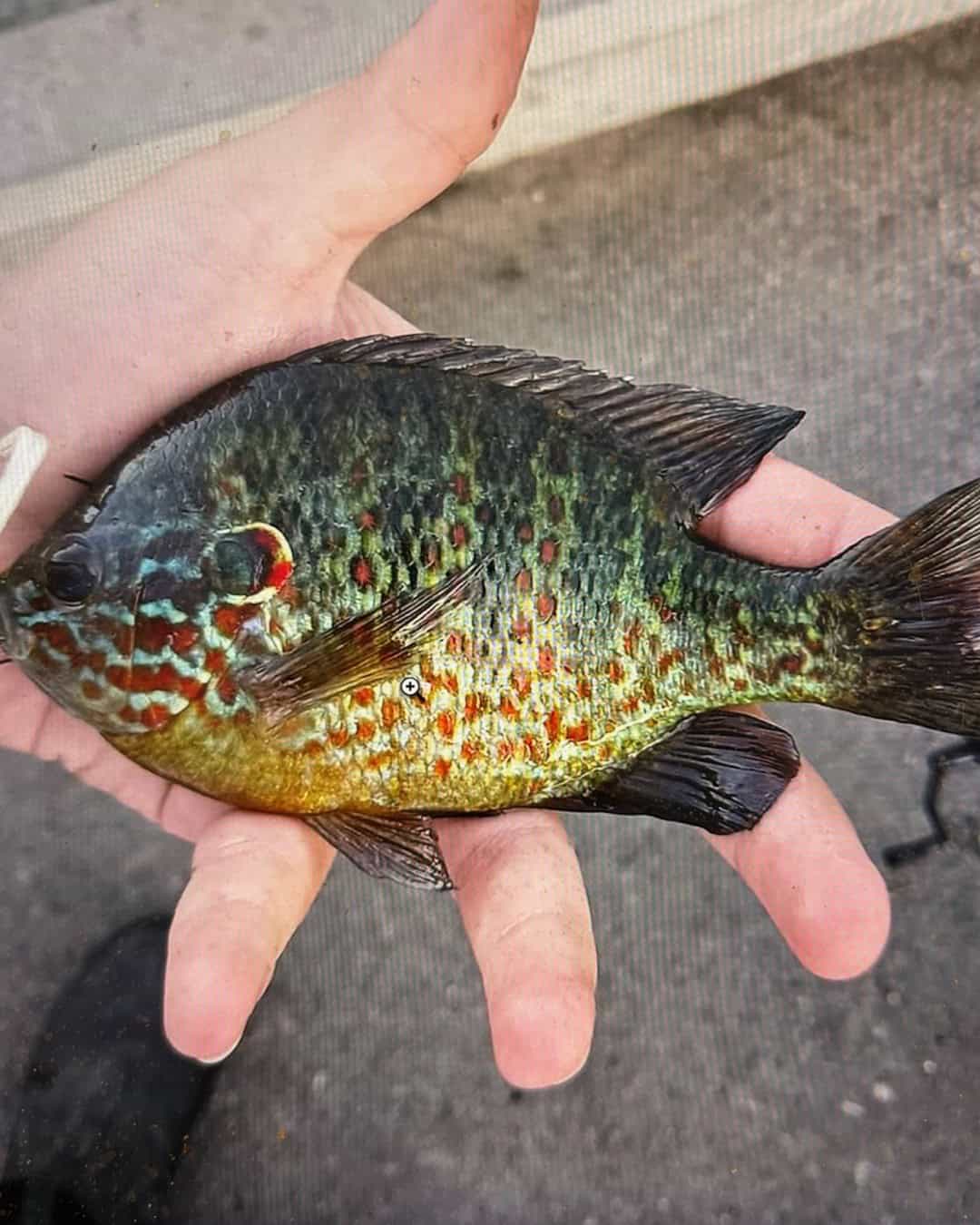
Redear Sunfish (shellcracker)
Redear sunfish (shellcracker) can be stocked along with bluegill to provide an additional forage species and sportfishing. Usually stocked at rates of 200 per acre. Redear feed on snails and other bottom dwelling invertebrates.
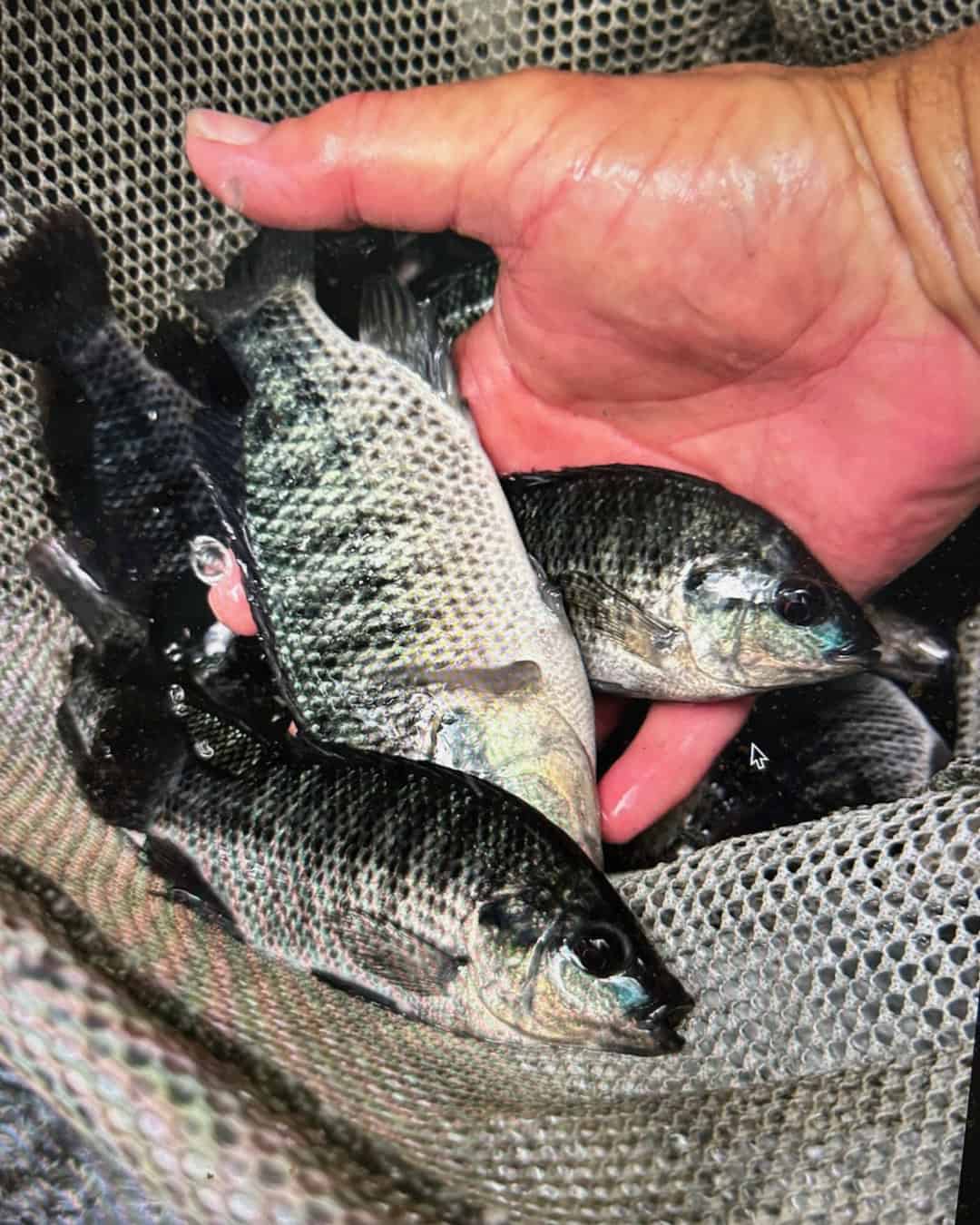
Blue Tilapia
Blue tilapia are stocked in ponds to provide filamentous algae control. Tilapia are released at rates of 200 per acre in the spring and early summer. Tilapia reproduce throughout the summer producing thousands of fingerlings that become abundant bass forage in winter months.
Video
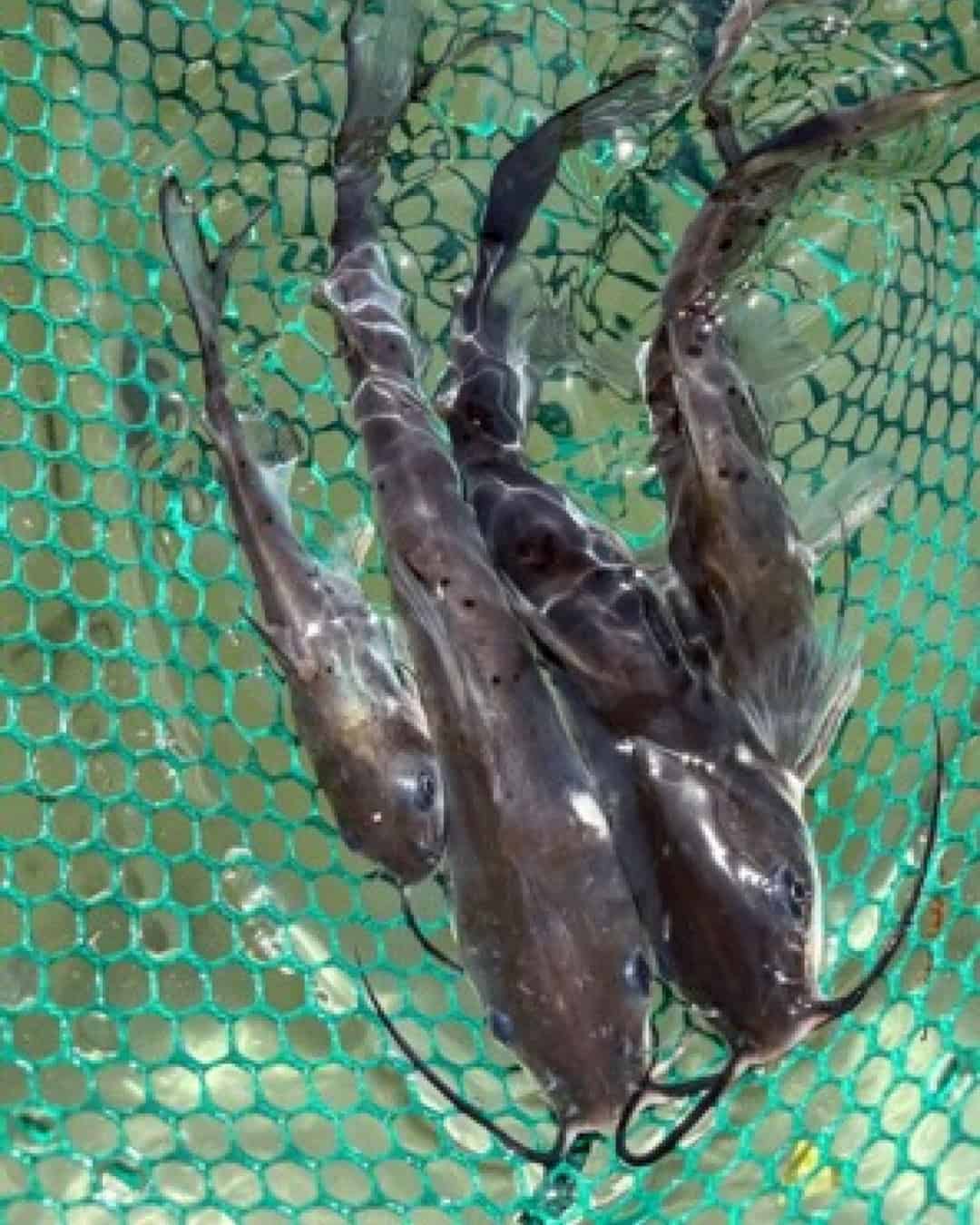
Channel Catfish
Channel catfish provide an additional species in a bass/bluegill pond. Typically stocked around 150 per acre and can be fed floating fish food to enhance growth potential.
Golden Shiners
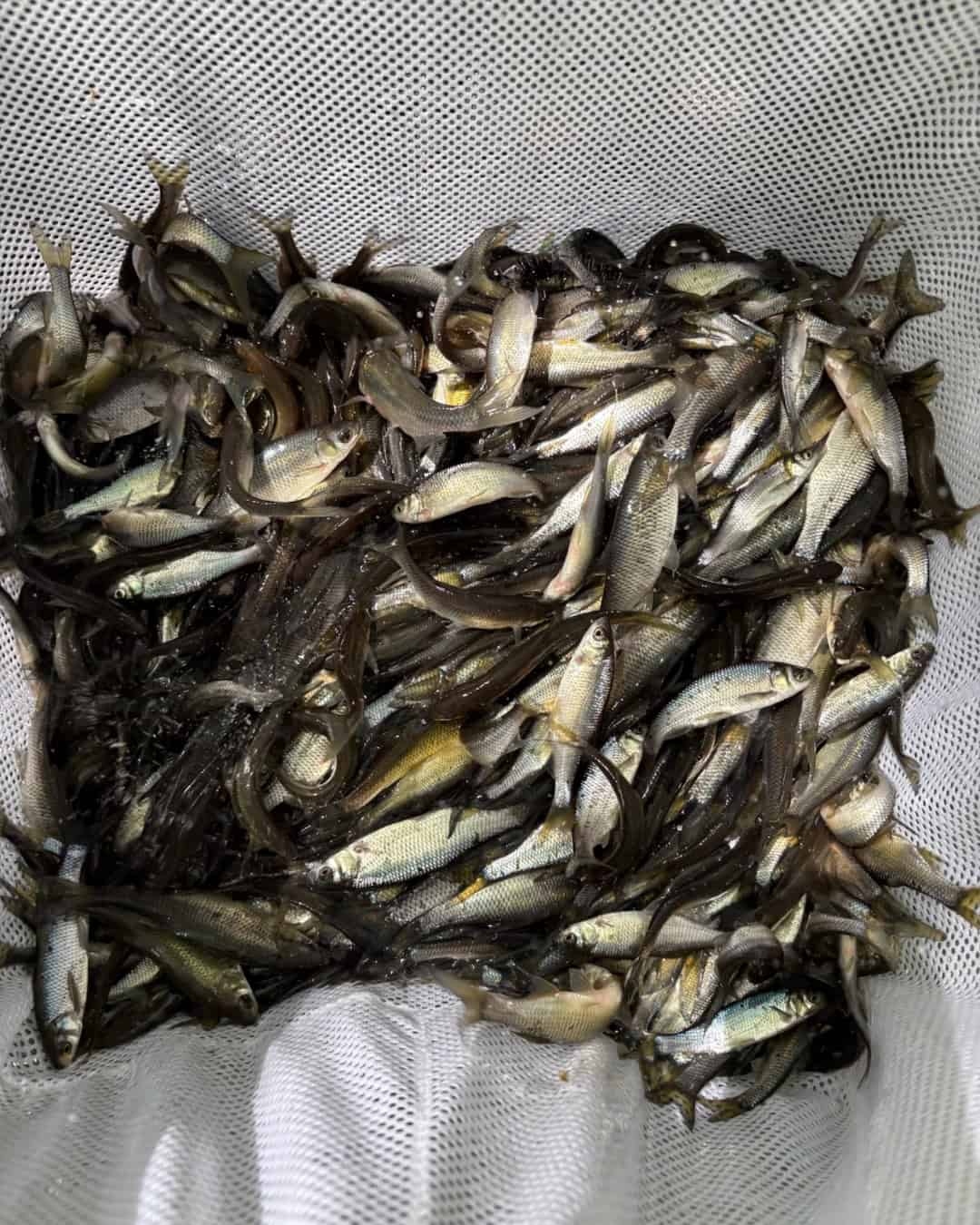
Golden shiners are stocked in ponds to provide additional forage for largemouth bass. Stocked at rates of 50-100 lbs. per acre.